Showing posts with label dentist in Pitampura. Show all posts

Tuesday, 7 November 2023

Exceptional Dental Care: Your Path to a Healthy Smile

 Exceptional dental care is not just about regular checkups or quick fixes; it encompasses a comprehensive approach to oral health that can transform your smile and boost your confidence. In this article, we will delve into the world of exceptional dental care, exploring what it means, the benefits it offers, and how to find the right dental care provider for your needs.


What is Exceptional Dental Care?

Comprehensive Oral Health

Exceptional dental care is all-encompassing. It goes beyond treating immediate issues and focuses on maintaining long-term oral health. This includes regular checkups, preventive measures, and personalized treatment plans tailored to your unique needs.

Personalized Treatment

Dental care should not be one-size-fits-all. Exceptional dental care means that your treatment is customized to address your specific concerns, whether it's cosmetic enhancements, restorative procedures, or orthodontic work.

Benefits of Exceptional Dental Care

Improved Oral Health

The primary goal of exceptional dental care is to keep your teeth and gums healthy. Regular visits to the dental clinic in Shalimar Bagh help prevent dental issues, such as cavities and gum disease, promoting long-lasting oral health.

Aesthetic Enhancements

Exceptional dental care can enhance your smile's aesthetics. Cosmetic procedures like teeth whitening, veneers, and orthodontics can help you achieve the smile you've always dreamed of.

Confidence Boost

A healthy and beautiful smile can significantly boost your confidence. Exceptional dental care not only ensures your oral health but also improves your self-esteem.

Finding an Exceptional Dental Care Provider

Research and Recommendations

To find the right dental care provider, start by doing your research. Seek recommendations from family and friends, read online reviews, and check the credentials and experience of the dentists in Delhi you consider.

Consultation and Evaluation

Once you've narrowed down your options, schedule a consultation. Discuss your dental concerns and evaluate how well the provider understands your needs. A good dentist in Shalimar Bagh will be attentive and communicative.

Key Services Offered

Exceptional dental care providers offer a wide range of services to cater to your dental needs, including:

Regular Checkups and Cleanings

These are the foundation of good oral health. Regular visits help your dentist in Pitampura catch issues early and provide professional cleaning to prevent problems.

Cosmetic Dentistry

From teeth whitening to smile makeovers, cosmetic dentistry can enhance your smile's appearance.

Restorative Dentistry

This includes procedures like dental crowns, bridges, and implants to restore damaged or missing teeth.

Orthodontics

Straightening your teeth and correcting bite issues are essential for both oral health and aesthetics.

Emergency Care

Exceptional dental care providers offer emergency services to address sudden dental issues promptly.

Technology in Exceptional Dental Care

Modern technology has revolutionized dental care. Some of the advanced technologies used include:

Digital X-rays

These provide detailed images with minimal radiation exposure, aiding in accurate diagnosis.

Laser Dentistry

Laser technology offers minimally invasive treatments with faster healing times.

Telehealth Services

Some providers offer remote consultations and guidance for non-urgent concerns, making access to care more convenient.

Preventive Measures in Exceptional Dental Care

Maintaining good oral hygiene at home, along with a balanced diet and nutrition, is vital. Exceptional dental care emphasizes the importance of preventive measures to avoid dental issues.

Exceptional Dental Care for Children and Seniors

Children and seniors have unique dental needs:

Pediatric Dentistry

Kids need specialized care to ensure a lifetime of good oral health.

Geriatric Dentistry

Seniors may require different dental procedures to address age-related concerns.

Affordability and Dental Insurance

Dental care costs can vary, so it's important to understand the expenses involved and explore dental insurance options to help cover the costs.

Patient Testimonials

Real patient stories can provide insight into the exceptional care provided by dental professionals.

The Role of Dental Professionals

Dental care involves various professionals:

Dentists

They diagnose and treat dental issues and are your primary dental care providers.

Dental Hygienists

They focus on preventive care and cleaning.

Dental Assistants

They assist dentists in various procedures.

Specialists

Orthodontists, periodontists, and other specialists address specific dental concerns.

Community Outreach and Dental Care

Many dental care providers participate in community outreach programs to raise awareness of dental health and offer free dental clinic in Pitampura.

Exceptional Dental Care Trends

The field of dentistry is continually evolving, and some emerging trends include teledentistry and minimally invasive procedures.

Conclusion

Exceptional dental care is not just a one-time event; it's a lifelong commitment to your oral health and well-being. Finding the right dental care provider, embracing preventive measures, and staying informed about the latest trends are all essential for a healthy smile.

FAQs

1. How often should I visit the dentist for checkups?

2. Can dental insurance cover cosmetic procedures?

  • Dental insurance typically covers procedures that are medically necessary, so cosmetic treatments may not be fully covered.

3. What is teledentistry, and how does it work?

  • Teledentistry involves remote consultations with dentist in Pitampura through video calls and online communication.

4. Is exceptional dental care expensive?

  • The cost of dental care can vary, but preventive measures can save you money in the long run by preventing major dental issues.

5. How can I find a reliable dentist in my area?

  • You can start by asking for recommendations from friends and family and then researching local dentists online.
Exceptional dental care is a vital aspect of your overall health. It's not just about maintaining a beautiful smile but also about ensuring the well-being of your teeth and gums. With the right dental care provider and a commitment to preventive measures, you can enjoy a lifetime of exceptional oral health. 

Sunday, 14 May 2023

What is Root Canal Treatment Procedure? Step By Step Guide on Procedures to Follow


Are you feeling anxious about getting a root canal treatment in Shalimar Bagh? We are here to help you through the process and answer all your questions.

Firstly, what is a root canal treatment? It’s a dental procedure that involves removing infected or damaged tissue from inside the tooth and replacing it with a filling.

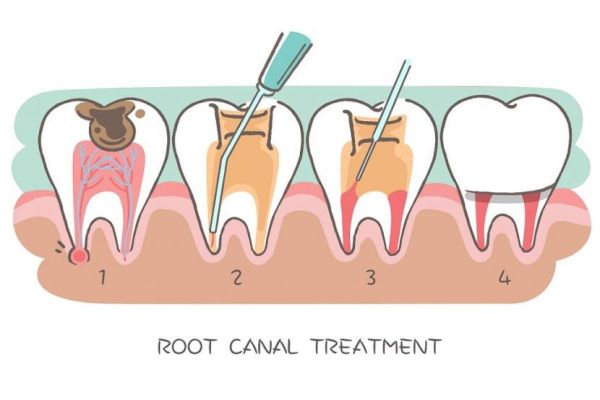
Let’s take a step-by-step look at what happens during a root canal treatment in Shalimar Bagh:

Exam and X-rays: During root canal treatment, your dentist will examine your teeth and take X-rays to determine the extent of the damage. If it’s determined that a root canal is needed, your dentist in Shalimar Bagh will perform the procedure.

Anesthesia: Before the procedure, your dentist in Shalimar Bagh will administer local anesthesia to numb the area around the affected tooth.

Removing the infected tissue: Your dentist in Pitampura will create a small access hole in the top of the tooth and use special tools to remove the infected or damaged tissue from inside the root canals.

Cleaning and shaping: The root canals will be cleaned and shaped to prepare them for filling.

Filling the canals: Your dentist in Pitampura will fill the root canals with a special material to seal them and prevent further infection.

Placing the permanent crown or filling: In most cases, you will need to return to the dental clinic in Shalimar Bagh to have a permanent crown or filling placed on the tooth to restore its function and protect it from further damage.

After the procedure, it’s normal to experience some discomfort and sensitivity in the treated tooth and surrounding area. Your dentist in Shalimar Bagh may prescribe pain relievers or recommend over-the-counter pain medication to manage any discomfort.

It is important to maintain good oral hygiene habits, such as brushing twice a day, flossing daily, and visiting your dentist regularly for check-ups and cleanings, to prevent dental problems.

If you experience symptoms such as severe pain or swelling, allergic reaction to medication, high fever or chills, numbness or tingling in the lips, tongue or chin after root canal treatment in Pitampura, contact the best dentist in Pitampura immediately.

Root canal treatment in Pitampura is generally considered a safe and effective procedure, but like any medical procedure, there are potential risks and complications.

Your dentist will discuss these risks with you before the procedure and take steps to minimize them.

We hope this guide has helped ease all of your worries about root canal treatment.

Remember that with proper care, root canals can last a lifetime.

FAQs:

Is root canal treatment painful?

While the procedure itself shouldn’t be painful, you may experience some discomfort afterward. Your dentist can prescribe pain medication to manage any discomfort.

Can I drive home after a root canal?

Yes, you will be able to drive home after the procedure. However, if anesthesia was used during the procedure, you will need to arrange for someone to drive you home.

How long does a root canal take?

The duration of the procedure will depend on the severity of the infection and the complexity of the tooth structure. Most root canal treatments can be done in one to two hours.

Can a root canal be done in one visit?

In some cases, a root canal can be completed in one visit. In most cases, however, you’ll need to visit your dentist twice – once for the procedure and once for a crown or permanent filling.

How long does a root canal last?

With good oral hygiene habits and regular dental exams, a root canal can last a lifetime.

So, don’t hesitate to contact the best dentist in Shalimar Bagh if you have any questions or concerns about root canal treatment in Shalimar Bagh. Your oral health is important, and we want to help you maintain a healthy smile.

Tuesday, 11 April 2023

Do you want a perfect smile? Bet on Lingual Orthodontics


What is lingual orthodontics?

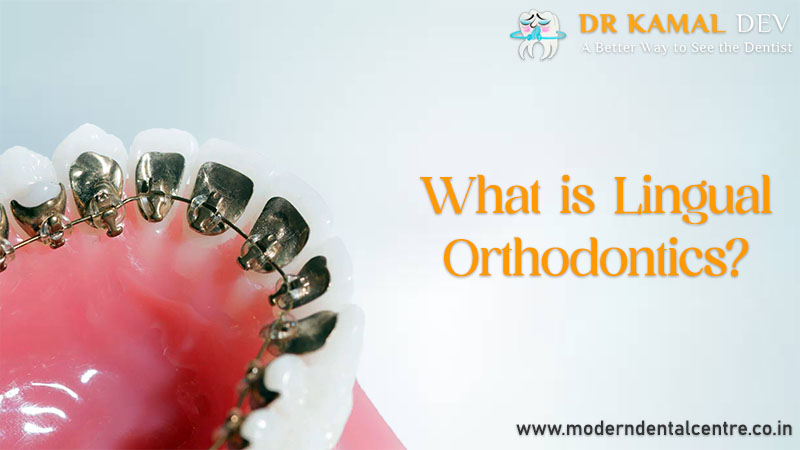
Lingual orthodontics, also known as invisible orthodontics, is one of the most effective methods to achieve perfect teeth. In addition, they are the most discreet brackets on the market.

This type of device is as effective as any other and offers the same results. It is the most appropriate option for all those people for whom the aesthetics of the treatment is key, explains the dentist in Pitampura.

What are Incognito lingual braces?

Why is this brace invisible? Because unlike other systems, brackets are placed cemented on the inside of the tooth, also called the lingual.

Incognito lingual orthodontics is custom made for each patient’s mouth. Both the brackets and the arch-wires are made of an alloy. It is an option that has a very thin thickness. In this way, the time it takes for the patient to adapt to the treatment is reduced. In addition, it also makes it a more effective method.

The design is much more sophisticated, as the orthodontist in Pitampura uses a 3D design program to plan the patient’s final smile. It will also mark step by step how the complete treatment will be carried out.

Process of lingual orthodontic treatment

DIAGNOSIS

After a first visit to the dental clinic in Pitampura, the general state of health of the patient’s mouth is assessed and which treatment is the most appropriate according to their needs. Models, x-rays, photos and an intraoral scanner are taken by the dentist in Pitampura to make a complete orthodontic study.

SETUP

The orthodontist in Pitampura, thanks to the study carried out previously, develops the entire orthodontic treatment virtually using 3D software (Setup). In this way we can see together with the patient a virtual simulation of the evolution of their treatment and the final result before starting.

MANUFACTURE OF PERSONALIZED BRACKETS

Once the Setup is accepted, the file is sent to orthodontic manufacturer, which makes the lingual brackets and custom arch-wires for the patient. This customization allows for a precise adaptation of lingual orthodontics, explains the dentist in Shalimar Bagh.

PLACEMENT OF LINGUAL BRACKETS

Approximately 15 days after giving the approval to the Setup and having sent the file to the orthodontic manufacturer, we can begin the treatment by proceeding with the placement of the lingual brackets.

How long does a lingual orthodontic treatment last?

The duration of a lingual bracket treatment will depend on the circumstances of each patient. The normal thing is that it is between 18 months in the simplest cases and 2 years in the case of the most complicated, says the orthodontist in Shalimar Bagh.

It must be taken into account that any orthodontic treatment does not end with the removal of brackets. When this happens, a second phase begins: retention. Teeth without braces tend to return to their original position. Therefore, it will be necessary to place retainers, which can be of two types:

  • Removable retainers. In this case, it is about transparent splints that are created to measure and that will be worn throughout the night.
  • Fixed retainers. These are very thin sheets of wire that are cemented on the inside of the teeth. They are not perceived when talking or smiling and must be worn forever.

In which cases is lingual orthodontics indicated?

Lingual orthodontics is an effective method to correct any occlusion problem that teeth have, such as open or cross bite, overbite or crowding, among others.

Therefore, being a treatment as effective as others, the reasons for betting on this class of brackets are mainly aesthetic. If, due to your profession, you do not want your image to be altered by a conventional device, lingual braces are the ideal option.

No one will notice that you are wearing lingual braces while the treatment lasts. You will be able to carry out your normal life, without the device altering your life at all. This type of orthodontics is usually more in demand by adult patients, since in the latter the use of orthodontics is usually more assumed, explains the orthodontist in Shalimar Bagh.

Maintenance tips for lingual orthodontics

A lingual brace makes the process of cleaning your teeth difficult. You must bear in mind that with the device it is more difficult to reach certain areas of the mouth. Therefore, the risk of suffering from cavities or periodontal diseases increases slightly during the duration of the treatment, explains the dentist in Shalimar Bagh.

So that the treatment does not have any negative consequences in your mouth, it is very important that you exercise extreme hygiene. You should brush for at least a couple of minutes after each meal. We recommend that you complement this routine by using a mouthwash and also the irrigator.

Thursday, 26 August 2021

What is an Orthodontist?


We all like to smile and for many, having a beautiful and healthy smile is important. Our oral health makes us healthy, and we can live with peace of mind. Therefore, it is important that you know which specialist to go to if you want to have a healthy mouth and aligned smile, says the Best Dentist in Shalimar Bagh.

Orthodontists are the specialists who will help to achieve an aligned, healthy and aesthetic smile. They are the ones who treat the problems of position and placement of the teeth, as well as the development of the maxillofacial bones for a correct bite and fit of the mouth.

The specialty of orthodontists are corrective treatments, such as braces, Invisalign and other types of orthodontics. With these they manage to solve oral problems that patients may present. Their skills, experience and knowledge help create your best smile, explains the Orthodontist in Shalimar Bagh.

Differences between dentist and orthodontist.

On many occasions, the question of who to go to when you have an oral problem is generated. Keep in mind that both dentists and orthodontists are dedicated to the care of teeth. The difference between the two is simple, Dentist in Shalimar Bagh (or general dentists) are specialists in treating more general problems of the mouth and teeth. They are in charge of cleaning teeth, treating cavities and checking your oral hygiene in general.

In case you need something more specific, the Orthodontist in Shalimar Bagh can help you, since they are specialists in orthodontics and maxillary orthopedics with more specific training than the general dentist. That is, orthodontists are in charge of correcting the facial bones and keeping each tooth in the correct position. Ordering, positioning and aligning your teeth to help you achieve a proper bite and esthetics will be the job of your Orthodontist in Shalimar Bagh.

Are there child orthodontists?

Going to an Orthodontist in Pitampura seems like an adult thing, but you have to know that children’s orthodontics is important for the correct development of children and to detect problems early.

Children’s orthodontists are in charge of controlling your child’s oral development, avoiding problems that can arise at an early age and thus preventing those problems from worsening in adulthood if they are not solved when they are young.

As for the recommended age for the first visit of children to the orthodontist is 7 years. At this age, the first permanent teeth have already emerged and the moment of growth in which the child is, allows the child orthodontist to detect dental anomalies and growth disorders early.

At this age, early treatments can be performed to avoid major problems. In case of not needing treatment, the doctors will simply monitor the evolution of the child’s mouth, explains the Orthodontist in Pitampura.

At Dental Clinic in Pitampura we have a team of exclusive Orthodontists and we always seek to make children feel comfortable with us and learn to take care of their teeth. We take care of making the sessions as enjoyable as possible and we explain to the parents in detail the state of health of their child’s mouth and the recommendations they should follow for proper care of their little one’s smile, says the Dentist in Pitampura.

For each smile a type of orthodontics.

The Orthodontist in Pitampura will be in charge of making your smile look healthy and aligned. Among its functions is to plan the treatment, recommend the best orthodontic treatment for your case and monitor its evolution.

At dental clinic in Shalimar Bagh we have the latest technology to complete your treatment and make it easier. Among the orthodontic treatments in Shalimar Bagh that can help you achieve your smile are:

  • Metallic appliances. These are Metal Brackets with a low profile, that is, modern and fast to treat. With latest technology it can make the treatment comfortable and in fewer visits.
  • Aesthetic devices.  This type of bracket is just as effective as the metal ones. Their difference is that they are made of porcelain so that it does not change color during the treatment. It is a good option if you are looking for it to barely be noticed that you are wearing orthodontics.
  • Invisalign. These are computer-made clear aligners. This type of treatment has the latest technology to align your teeth in a comfortable and hygienic way. With this treatment the number of visits to the clinic is reduced.

If you are thinking of improving your smile, do not hesitate to visit the dental clinic in Shalimar Bagh.

Monday, 15 March 2021

What is a Root Canal and when is it necessary?


We use different expressions to indicate the same dental procedure: Root canal, root canal treatment, root treatment, pulp treatment, cameral opening, killing the nerve and pulpectomy (in primary dentition).

The root canal treatment in Shalimar Bagh is a treatment that takes place in the interior of the tooth roots where is located the tooth pulp (popularly known as “nerve”). We access by opening a cavity inside the tooth that passes through the enamel and dentin until we reach the chamber that contains the pulp (pulp chamber). This allows us to visualize the entrance of the ducts in each of the roots. Inside the root there is a canal through which the dental pulp runs, explains the dentist in Shalimar Bagh.

What is a root canal?

Root canal treatment in Shalimar Bagh is the total removal of the diseased dental pulp and the posterior filling of said space with a filling material that will seal the cavity to create an impenetrable cavity. Root canal is performed when there is irreversible pulpitis. Although the main indications are tooth breakage or fracture (close to the pulp), deep cavities and pulpitis.

But what is dental pulp? The dental pulp is a connective or filling tissue very rich in vessels and nerves, housed in the innermost space of the tooth or pulp chamber. It is an airtight and rigid space with no possibility of expansion. If there is an inflammatory-infectious process that affects it, it will result in intense pain due to a compromise of that tissue inside a rigid cavity and very possibly will lead to an irreversible injury if it lasts over time, says the dentist in Shalimar Bagh.

Steps of a root canal

The procedure requires a high degree of preparation on the part of the professional and several sessions. It is performed in most general dentistry consultations at the dental clinic in Pitampura, although there are complicated cases that are referred to experts in this type of treatment (endodontists). A root canal Treatment in Pitampura is really one of the most complicated treatments that we find in the consultation. A previous examination of the tooth and an initial X-ray is essential to check the number of roots that this tooth has, as well as its shape, its curvature and its length, the root integrity and the state of the apex. All ducts must be treated. For this reason, it is more expensive and laborious to endodontize a molar (with three canals) than an incisor (with only one canal), says the dentist in Pitampura.

  1. Beginning of Root canal: we begin with a powerful anesthesia to proceed to the opening of the tooth creating a large cavity that allows us to access the interior of the roots and remove the nerve.
  2. Cleaning the ducts: after leaving the ducts clean, we place a cotton pad impregnated with an antiseptic-anti-inflammatory and leave a provisional filling until the next session a few days later.
  3. Instrumentation of the canal: it involves the removal of the remains of the pulp and the preparation and widening of the canal for the obturation of the following session.
  4. Definitive filling and / or crown placement: it is done by introducing a filling called gutta-percha adjusted to the length of the root that must completely seal the apex of the tooth and occupy the entire canal. It is an inert material and will occupy the space occupied by the diseased dental pulp. It aims to isolate and seal the duct.

Root canal to treat pulpitis

There are many causes that can lead to pulp disease (pulpitis). They can be classified into three large groups:

  • Bacterial (due to superinfection, especially associated with advanced dental caries),
  • Physical
  • Inflammatory and chemical (mainly due to deteriorated or poorly sealed filling materials).

The pulpitis is one of the dental emergencies more painful that requires the immediate opening of the tooth to relieve compression symptoms the patient note. It is considered one of the most intense pains. If we approach it before the tissue necrosis, the situation can be reversible, but if it evolves it will lead to irreversible death or pulp necrosis (commonly called nerve death) in which case we must proceed to a restorative root canal treatment in Pitampura. The warning signs of a possible pulpitis so that you detect them in time are: discomfort in the face of cold or heat, pain when occluding with the antagonist tooth and mild but continuous pain. Your dental pulp is telling you that it is sick!, says the dentist in Pitampura.

What you should know…

  • Root canal is the total removal of the diseased dental pulp and the posterior filling of said space with a filling material that will seal the cavity to create an impenetrable cavity.
  • The main indications for Root canal are, therefore, fractured teeth (with exposure or proximity to the pulp), deep caries and pulpitis.
  • Cold or heat discomfort, pain when occluding with the antagonist tooth and mild but continuous pain are some signs that should alert us to a possible pulpitis.

Monday, 15 February 2021

DENTAL IMPLANTS- TYPES, ARE THEY FOR LIFE


The treatment of the absence of teeth with the placement of dental implant in Pitampura is nowadays the technique of choice for their replacement. The abundance of advertising and dental clinics in Pitampura means that, on the one hand, we have a lot of offer when choosing, which is initially an advantage, but on the other hand, it creates certain doubts due to the differences between clinics of treatment options and implant prices.

Here we are going to talk about the types of dental implant in Pitampura and the recommendations that should be followed when choosing the treatment.

WHAT IS A DENTAL IMPLANT?

When we lose a tooth and replace it with an implant, it itself is the one that replaces the root of the tooth. The crown on the implant is the one that replaces the tooth that we will finally see. In other words, the implant will be the holding pillar of the future tooth, explains the dentist in Pitampura.

The implants in the teeth, generally, have the shape of a screw to be able to thread into the bone where they are going to be placed. Although there are different shapes and tapers, currently the most common are screwed.

Then depending on the particular situations, the types of dental implants can be conical or cylindrical.

One difference to take into account is the connection platform of the prosthesis, that is, of the crown that will be placed on the implant. Generally speaking, there are two types of implants in teeth: external connection and internal connection.

In the internal connection the crown is connected inside the implant, in the external connection the crown is placed resting on the implant. Today the most used is the internal connection because it has a series of advantages over the external one. The loosening of the prosthesis is less and errors in implant placement can be corrected.

External connection is the one we used initially, called the Branemark type, but it is beginning to be less used due to the inconveniences of loosening, aesthetics in anterior teeth and less possibility of correcting errors, says the dentist in Pitampura.

TECHNIQUES FOR PLACING THE TOOTH ON TOP OF THE IMPLANT

Regarding how to place the tooth on top of the implant there are several techniques.

Screw-retained dental prosthesis

Screw-retained prosthesis in which the tooth is screwed implant. In this case it is recommended that the screw-retained abutment be prepared by CAD-CAM, that is, designed by computer and prepared on a milling machine to ensure good adjustments. Never strained as it is very inaccurate.

Cemented dental prosthesis

The cemented in which the tooth is cemented on an implant, this cemented, which means glued, is cemented on an abutment that we connect to the implant. It has the problem of not being able to unscrew or tighten if it ever loosens.

A mixed technique is to cement the prosthesis on a screwed abutment AND leave an access to be able to tighten and loosen if necessary. In this case it would be cement-screwed. Which has the advantage of the exact connection to the implant of the CAD-CAM screw connection and in addition the clamping screw can be tightened or loosened.

Ultimately, the best dentist in Pitampura recommends, the implant of choice must be an internal connection, threaded and with a prosthesis or screwed or cement-screwed. And of course, verify the reliability of the implant that they are going to place.

ARE DENTAL IMPLANTS FOR LIFE?

This is a very common question in dental clinic in Shalimar Bagh. With this post we will also try to give a clear answer in this regard. The dental implants are presented as the best alternative to the dental absence, as well as solve many dental problems.

Previously, when we had severely damaged teeth, compromised solutions were sought to avoid the extraction of said tooth. Nowadays, with the appearance of the different types of implants, therapeutic decisions are made with the confidence that the success of the treatment is very certain, says the dentist in Shalimar Bagh.

WHAT SHOULD BE TAKEN INTO ACCOUNT WHEN PLACING A DENTAL IMPLANT

But when the decision is made to extract a tooth and place an implant…

ARE WE SURE WE HAVE MADE THE RIGHT DECISION?

It is important to bear in mind that implants may not be for life and that as long as we have a tooth with the possibility of rebuilding and maintaining it, it will be better than placing an implant, says the dentist in Shalimar Bagh.

WHY AN IMPLANT MAY NOT BE FOR LIFE?

The dental implant in Pitampura has great advantages, the first is that it prevents one of the main dental diseases which is cavities. As it is not a human tissue, but is titanium and ceramic, we eliminate the possibility of this new tooth having cavities.

But what we cannot avoid is gum disease, which in the case of implants is called perimplantitis. Implants, being screws, have threads, which if they appear outside the bone, have the possibility of being in contact with the mouth and are great bacteria retainers. These bacteria cause an infection and inflammation in the gum causing perimplantitis that ranges from an inflammation of the gingiva, it would be the mildest, to a greater inflammation and consequently a loss of bone support and with the passage of time the possible loss of integration in the implant bone.

Another thing that we cannot avoid is the fracture of the implant, for example by bruxism, clenching the teeth with force in some situations. In conclusion, the implant solution is exceptional and has great advantages, but certain aspects must be evaluated before a tooth is extracted by the dentist in Shalimar Bagh.

WHAT MUST BE TAKEN INTO ACCOUNT BEFORE EXTRACTION?

First of all, seriously assess whether we can rebuild that tooth to continue using it. Second, depending on the age of the patient (as long as the patient is young), avoiding implant placement as a final solution should be considered. Except, if this tooth has a large infection or its permanence in the mouth can cause some damage.

Finally, if the patient is a bruxist, assess whether we can place an implant with enough width and length to withstand the force exerted by said patient.

These are some of the points that must be taken into account when placing a dental implant in Shalimar Bagh since it is a very important decision since once the damaged piece has been extracted there is no going back. For this reason, it is always necessary that this decision be made by a dentist in Delhi who can assess from knowledge and experience.

Wednesday, 29 July 2020

Endodontics or Root Canal Treatment in Pitampura

Root-Canal-Treatment

What is root canal treatment?

An endodontics or root canal treatment in Pitampura is an intervention that is performed to try to preserve a tooth that would otherwise have to be removed. It consists of the removal of pulp tissue to maintain the tooth and its chewing function.

Dental pulp is the tissue inside the teeth, and is composed of nerves, blood vessels and specialized cells. Its main function is to form the tooth and the one responsible for perceiving external stimuli.

When the process of growth of the tooth ends the pulp is of less importance and now its function will be to maintain a water contribution (relative to hydrogen) to the tooth that improves its physical properties and it will be the pulp that tells us when we have broken the piece or have a cavity, explains the best dentist in Pitampura.

Causes that may require root canal treatment
  • Very deep tooth decay
  • Trauma or shock
  • If the tooth has been manipulated in different dental procedures.
  • When there is irreversible inflammation of pulp tissue(pulpitis).
  • When there is a necrosis (death) of pulp tissue.

Types of Root canal treatment

Depending on the type of tooth that is affected by the infection, there are three types of root canal treatment, which are recognized as:
  • Unirradicular root canal treatment: is made on teeth that have a single dental root and a single pulp duct.
  • Birradicular root canal treatment: it is made in dental parts that have two roots and two ducts.
  • Mulrradicular root canal treatment: In these cases the tooth has more than two pulp ducts and more than two roots.

How Root canal treatment is performed?

This procedure is usually done by the dentist in Pitampura at dental clinic in Pitampura in a session and there will be a slight discomfort within two to three days of treatment, the discomfort usually goes away with a pain reliever.
  1. Placement of anesthesia
The procedure is painless, as a local anesthetic is used and even in some cases it is not necessary to use anesthesia when it is a chronic process.
  1. Introduction of limes and extraction of pulp and root content
The pulp is removed from the inside of the tooth part in bad condition with special tools called limes, the root content (cups and nerves) is extracted, the inside of the tooth is perfectly cleaned, disinfected and dried.
  1. Conduit filling
It is filled with resin and a sealing cement to avoid empty spaces that allow subsequent infections. The filling is made with a material called guttapercha, this is inserted into the tooth so that it takes the place of the pulp that has been extracted previously, so that it protects the tooth by the inner part and does not allow it to be damaged for much longer.
  1. Sealing and rebuilding the tooth
To finish, a temporary seal (filling) is placed in the tooth crown and must be replaced by another of definitive properties.

After root canal treatment

Once the root canal treatment operation is complete, you must consider various things that will happen, and that you therefore have to understand so that the recovery in your dentures gets along very well, and does not attract more consequences on your health.
  • Sensitive tooth or tooth
When your doctor finishes the end of the root canal treatment, your tooth or tooth will be somewhat sensitive for several days, and perhaps with a little pain in the area, which you can relieve, using some endodontist medications will tell you.
  • Antibiotic use
If the infection in your tooth is at risk of spreading, your endodontist may take note on the matter, and immediately prescribe some antibiotics that you should consume with full responsibility, following the prescription.
  • Periodic reviews
It is not possible to completely forget about the problem once it is solved. Therefore, you should always consider visiting your dentist in Pitampura regularly to keep track of the treated dental part.

How much a root canal treatment cost?

Normally, the price of root canal treatment in Pitampura is not fully defined, as it will always depend on the complexity you have in the face of the problem, which the doctor must first discover, practicing a series of various tests and check-ups.

Performing root canal treatment in a tooth with a unirradicular problem is always much simpler than in a tooth that has three, and more, ducts, that is, a multi-root root canal treatment costs more for its hard and complicated intervention, explains the dentist in Delhi.

But the price of root canal treatment must also depend on the instruments to be used in the middle of the operation, or the technology used there.

Friday, 20 March 2020

How to Treat Cavity in a Young Child

Cavity

Cavities can occur both on the milk teeth, as well as on the permanent. Most parents mistakenly believe that you should not torture a toddler with a visit to the dental clinic in Pitampura, if the disease has affected the milk teeth, it will still fall out soon. The milk tooth will of course fall out, but until this time cavity can destroy it completely and also go to the next teeth. If you do not take urgent action to fight the disease, it may also be noted that the new permanent tooth is also affected after falling out of a diseased tooth.

Instruction
  1. Besides that, young children have tooth decay very quickly, and it does not look good, cavities cause other diseases. Children usually have inflammatory diseases of the throat and rhinitis. In order to avoid such serious consequences, a diseased tooth should be removed or cured, if possible. Every dentist in Shalimar Bagh will do his utmost to cure the baby's tooth and thus retain it until the appearance of permanent teeth.
  2. Often children up to three years are affected by front teeth, this is due to the fact that they are the first to appear. At this age, you still can't remove your teeth, as it can lead to incorrect bite and speech disturbance, so doctors resort to a special coating. In the early stages of the disease, the best dentist in Pitampura suggests that the parents perform a procedure that involves using fluoride paste to a site that is damaged by the cavity. Of course, this does not eliminate the disease, but will stop development. If the child already has permanent teeth and the doctor has noticed the presence of a cavity, he can process these teeth and seal the cracks. In a situation where tooth decay has already damaged the enamel and spreads further, treatment cannot be avoided. The treatment procedure was successful, you need to prepare your baby in advance and tell him everything he will do. For this, it is necessary to know all the features of dental care in children.
  3. If the baby's tooth is severely affected by tooth decay, and the treatment procedure will cause pain, the dentist in PItampura will use painkillers. Anesthesia is usually done by means of an injection. For the child not to cry from the injection, the injection site is assessed by applying an ointment or a spray. After the temporary anesthesia, the doctor puts an injection.
  4. During the treatment process, the best dentist in Shalimar Bagh removes tissue from the Used Hand Tools, if not enough, uses a drill. Of course, some children are afraid of their loud noise, so the doctor makes frequent breaks in the tooth bore. After the removal of the affected tissue, the doctor seals the tooth with a seal. Child seals use materials that do not require long hardness and are inserted once in the tooth.
  5. When needed root canal treatment in Pitampura, the teeth's channels are cleaned and a special paste is taken in. After a while, after it has solidified, the dentist in Delhi will fill the tooth in the usual way and attach a firm seal. Since children cannot sit for long periods without movement, dental treatment cannot be long. Usually, the procedure takes no more than 30 minutes. If the process failed to finish during this time, you need to take a short break and just continue the treatment.
  6. Dental treatment does not give the children pleasure, they cry and fear the drill, which greatly complicates the procedure. In this case, many dentists offer dental care without the use of a drill, that is true, maybe it is only at an early stage of the disease. The cost of dental care will depend on how much the cavity is started. Therefore, in order to avoid unnecessary expenses and not irritate the child, the teeth should be treated immediately when they have noticed the disease.

Friday, 10 January 2020

Endodontic Pain

Dental-Pain

The pain can appear before, during and after the performance of some dental procedure, perhaps being the MAIN CAUSE that motivates to go to the dentist in Pitampura; Similarly, endodontic treatment is no exception to these inconveniences.

To better explain this relationship, it is necessary to mention the three periods where a patient may have pain related to duct treatment; However, it is first necessary to explain what the root canal treatment in Pitampura is based on.

What is Endodontics?

This procedure, known as "kill the nerve", is one of the most used in the dental clinic in Pitampura, being the one indicated when there is a great pulp compromise (due to decay, trauma, etc.), thus avoiding its possible extraction and keeping the dental pieces through the total replacement of the affected dental pulp.

Pain Before Endodontics

The pain that the patient carries many times can be very severe, affecting certain social aspects of everyday life. This originates because the nerves located inside are affected either directly or indirectly.
  • Due to a very deep caries that can directly affect the nerves: caries that are not checked on time tend to spread and irritate the pulp of the tooth (they infect and kill the nerve).
  • When the patient is bruxist causing dental wear, therefore leaving the nerves almost exposed, being affected by a large number of oral elements.
  • Due to dental fracture or when the tooth is broken and not important. These cracks that seem insignificant become dangerous communication channels that could severely irritate the pulp.
  • Poor cure or seal. Many times when a dental filling is replaced, the cavity is so wide and deep that if you do not have the necessary expertise, you can “brush” the dental pulp and cause a condition called pulpitis that causes pain.
Going to the dentist in Shalimar Bagh is usually related to experiencing a lot of pain; However, in the case of endodontics, this is not the case. Much progress has been made in the development of this procedure for many years, making it increasingly painless.
  • However, in some cases where the infectious process of the patient is not controlled, the performance of endodontics can cause a lot of pain. This is because before an inflammation process anesthesia is less effective.
  • Some patients metabolize anesthesia very quickly, producing little anesthetic effect in the area, which leads to pain during the procedure; However, it could also be due to an incorrect technique in the application of anesthesia.
It is usual to present some post operative discomfort until all the tissue heals properly; In the same way, these inconveniences, whether pain, discomfort, inflammation, among other symptoms, can last a few hours or extend a few days after the intervention.
  • In most cases, the pain perceived after the procedure is minimal, almost non-existent. Many of the patients thank the dental professional for ending their pain before endodontics.
  • Depending on the complexity, some treatments (especially in molars), leave teeth sensitive some days (2 or 4); However, these discomforts slowly disappear during the week
SOLUTIONS (What I recommend)
  • The most important for the correct treatment of dental pain is the DIAGNOSIS, because thanks to this primary analysis we can identify the cause of the problem and the solution alternatives.
  • Endodontic treatment is simple but sometimes due to the complex internal morphology of the molars it is difficult to clean and properly seal the root canals; therefore, it requires in these cases the clinical expertise of a certified endodontist.
  • After endodontics in vital teeth, the pain in the area is mild to moderate due to the removal of the pulp and in other cases it is due to the tear in the tissues that produces the injection of anesthesia. These discomforts should not last more than 48 hours.
  • Medication is important in order to avoid infection and also to control pain and inflammation. DO NOT AUTOMATIC, and follow the instructions of the professional. An analgesic-anti-inflammatory should be enough.
  • If the pain persists for more than 72 hours, request an appointment with your best dentist in Pitampura. By means of a periapical radiography it is possible to verify if the endodontics is correctly performed.