Showing posts with label Root Canal Treatment in Pitampura. Show all posts

Sunday, 14 May 2023

What is Root Canal Treatment Procedure? Step By Step Guide on Procedures to Follow


Are you feeling anxious about getting a root canal treatment in Shalimar Bagh? We are here to help you through the process and answer all your questions.

Firstly, what is a root canal treatment? It’s a dental procedure that involves removing infected or damaged tissue from inside the tooth and replacing it with a filling.

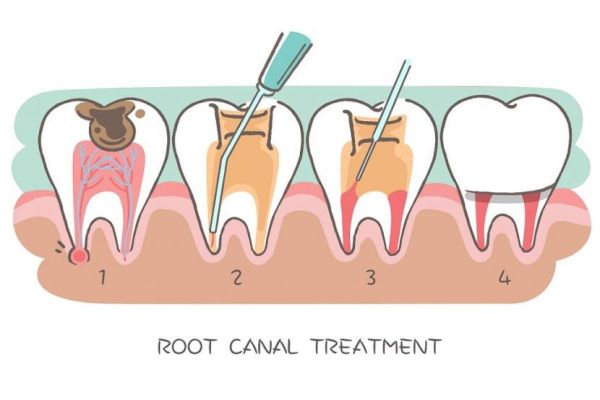
Let’s take a step-by-step look at what happens during a root canal treatment in Shalimar Bagh:

Exam and X-rays: During root canal treatment, your dentist will examine your teeth and take X-rays to determine the extent of the damage. If it’s determined that a root canal is needed, your dentist in Shalimar Bagh will perform the procedure.

Anesthesia: Before the procedure, your dentist in Shalimar Bagh will administer local anesthesia to numb the area around the affected tooth.

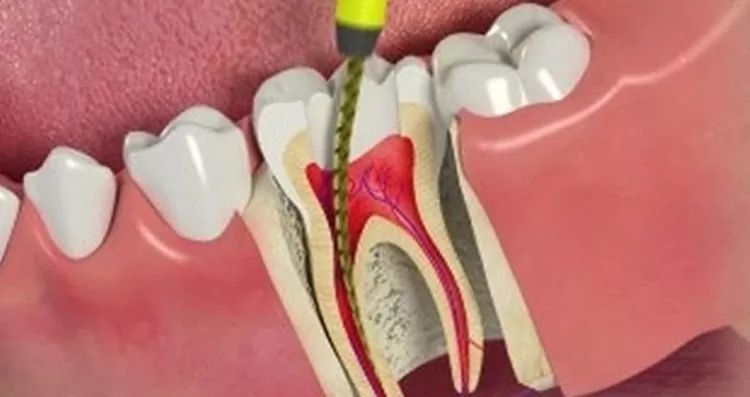
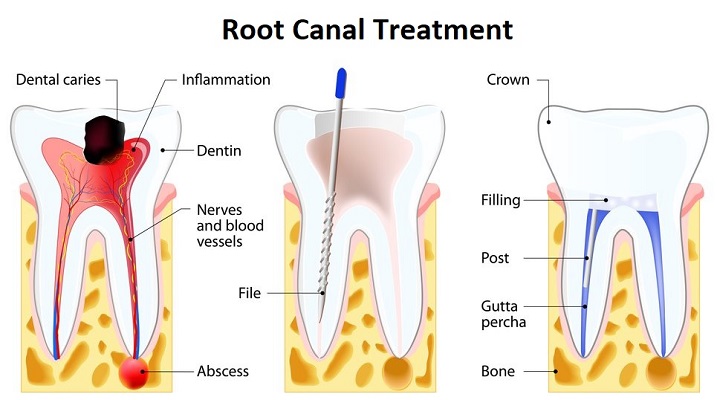
Removing the infected tissue: Your dentist in Pitampura will create a small access hole in the top of the tooth and use special tools to remove the infected or damaged tissue from inside the root canals.

Cleaning and shaping: The root canals will be cleaned and shaped to prepare them for filling.

Filling the canals: Your dentist in Pitampura will fill the root canals with a special material to seal them and prevent further infection.

Placing the permanent crown or filling: In most cases, you will need to return to the dental clinic in Shalimar Bagh to have a permanent crown or filling placed on the tooth to restore its function and protect it from further damage.

After the procedure, it’s normal to experience some discomfort and sensitivity in the treated tooth and surrounding area. Your dentist in Shalimar Bagh may prescribe pain relievers or recommend over-the-counter pain medication to manage any discomfort.

It is important to maintain good oral hygiene habits, such as brushing twice a day, flossing daily, and visiting your dentist regularly for check-ups and cleanings, to prevent dental problems.

If you experience symptoms such as severe pain or swelling, allergic reaction to medication, high fever or chills, numbness or tingling in the lips, tongue or chin after root canal treatment in Pitampura, contact the best dentist in Pitampura immediately.

Root canal treatment in Pitampura is generally considered a safe and effective procedure, but like any medical procedure, there are potential risks and complications.

Your dentist will discuss these risks with you before the procedure and take steps to minimize them.

We hope this guide has helped ease all of your worries about root canal treatment.

Remember that with proper care, root canals can last a lifetime.

FAQs:

Is root canal treatment painful?

While the procedure itself shouldn’t be painful, you may experience some discomfort afterward. Your dentist can prescribe pain medication to manage any discomfort.

Can I drive home after a root canal?

Yes, you will be able to drive home after the procedure. However, if anesthesia was used during the procedure, you will need to arrange for someone to drive you home.

How long does a root canal take?

The duration of the procedure will depend on the severity of the infection and the complexity of the tooth structure. Most root canal treatments can be done in one to two hours.

Can a root canal be done in one visit?

In some cases, a root canal can be completed in one visit. In most cases, however, you’ll need to visit your dentist twice – once for the procedure and once for a crown or permanent filling.

How long does a root canal last?

With good oral hygiene habits and regular dental exams, a root canal can last a lifetime.

So, don’t hesitate to contact the best dentist in Shalimar Bagh if you have any questions or concerns about root canal treatment in Shalimar Bagh. Your oral health is important, and we want to help you maintain a healthy smile.

Monday, 15 March 2021

What is a Root Canal and when is it necessary?


We use different expressions to indicate the same dental procedure: Root canal, root canal treatment, root treatment, pulp treatment, cameral opening, killing the nerve and pulpectomy (in primary dentition).

The root canal treatment in Shalimar Bagh is a treatment that takes place in the interior of the tooth roots where is located the tooth pulp (popularly known as “nerve”). We access by opening a cavity inside the tooth that passes through the enamel and dentin until we reach the chamber that contains the pulp (pulp chamber). This allows us to visualize the entrance of the ducts in each of the roots. Inside the root there is a canal through which the dental pulp runs, explains the dentist in Shalimar Bagh.

What is a root canal?

Root canal treatment in Shalimar Bagh is the total removal of the diseased dental pulp and the posterior filling of said space with a filling material that will seal the cavity to create an impenetrable cavity. Root canal is performed when there is irreversible pulpitis. Although the main indications are tooth breakage or fracture (close to the pulp), deep cavities and pulpitis.

But what is dental pulp? The dental pulp is a connective or filling tissue very rich in vessels and nerves, housed in the innermost space of the tooth or pulp chamber. It is an airtight and rigid space with no possibility of expansion. If there is an inflammatory-infectious process that affects it, it will result in intense pain due to a compromise of that tissue inside a rigid cavity and very possibly will lead to an irreversible injury if it lasts over time, says the dentist in Shalimar Bagh.

Steps of a root canal

The procedure requires a high degree of preparation on the part of the professional and several sessions. It is performed in most general dentistry consultations at the dental clinic in Pitampura, although there are complicated cases that are referred to experts in this type of treatment (endodontists). A root canal Treatment in Pitampura is really one of the most complicated treatments that we find in the consultation. A previous examination of the tooth and an initial X-ray is essential to check the number of roots that this tooth has, as well as its shape, its curvature and its length, the root integrity and the state of the apex. All ducts must be treated. For this reason, it is more expensive and laborious to endodontize a molar (with three canals) than an incisor (with only one canal), says the dentist in Pitampura.

  1. Beginning of Root canal: we begin with a powerful anesthesia to proceed to the opening of the tooth creating a large cavity that allows us to access the interior of the roots and remove the nerve.
  2. Cleaning the ducts: after leaving the ducts clean, we place a cotton pad impregnated with an antiseptic-anti-inflammatory and leave a provisional filling until the next session a few days later.
  3. Instrumentation of the canal: it involves the removal of the remains of the pulp and the preparation and widening of the canal for the obturation of the following session.
  4. Definitive filling and / or crown placement: it is done by introducing a filling called gutta-percha adjusted to the length of the root that must completely seal the apex of the tooth and occupy the entire canal. It is an inert material and will occupy the space occupied by the diseased dental pulp. It aims to isolate and seal the duct.

Root canal to treat pulpitis

There are many causes that can lead to pulp disease (pulpitis). They can be classified into three large groups:

  • Bacterial (due to superinfection, especially associated with advanced dental caries),
  • Physical
  • Inflammatory and chemical (mainly due to deteriorated or poorly sealed filling materials).

The pulpitis is one of the dental emergencies more painful that requires the immediate opening of the tooth to relieve compression symptoms the patient note. It is considered one of the most intense pains. If we approach it before the tissue necrosis, the situation can be reversible, but if it evolves it will lead to irreversible death or pulp necrosis (commonly called nerve death) in which case we must proceed to a restorative root canal treatment in Pitampura. The warning signs of a possible pulpitis so that you detect them in time are: discomfort in the face of cold or heat, pain when occluding with the antagonist tooth and mild but continuous pain. Your dental pulp is telling you that it is sick!, says the dentist in Pitampura.

What you should know…

  • Root canal is the total removal of the diseased dental pulp and the posterior filling of said space with a filling material that will seal the cavity to create an impenetrable cavity.
  • The main indications for Root canal are, therefore, fractured teeth (with exposure or proximity to the pulp), deep caries and pulpitis.
  • Cold or heat discomfort, pain when occluding with the antagonist tooth and mild but continuous pain are some signs that should alert us to a possible pulpitis.

Tuesday, 25 August 2020

What is Root Canal Treatment and its Complications?

 Root Canal Treatment

Today there are opinions that many dentists carry out root canal treatment when it is not absolutely necessary, and it is usually a procedure not very well explained by dentists, so today we will discuss about, What is root canal treatment for? and its complications.

Root canal treatment is a common dental procedure and not many of us really know what it is for, why it is necessary, what benefit we will obtain or what its complications are.

Best dentist in Pitampura will try to clarify your doubts about root canal treatment so you can know if you need it or not.

What is a Root Canal?

A root canal is a funnel-shaped canal filled with soft tissue, which extends from the surface of a tooth down through the tooth itself and into the root.

Both root stems have a root canal. The canal is where the main nerve tissue is located in the tooth.

Why do you need Root Canal Treatment?

Root canal treatment in Pitampura is normally carried out when a tooth shows some level of decay or infection.

The procedure is designed to prevent further decay or spread of the infection, which can lead to complete tooth loss. The soft tissue is completely removed from the canals and replaced with artificial dental cement.

What happens in Root Canal Treatment?

Because the soft tissue in the canal contains nervous tissue, the procedure will require the administration of an anesthetic, this is usually a local anesthetic that will numb the tooth and surrounding areas.

Once anesthesia has been established, the dentist in Pitampura will drill down through the tooth, removing the infected or decaying tissue.

When the canal narrows at the stem of the actual root, the dentist will use a hand-held device to remove all the soft tissue.

The space left by the extracted tissue is filled with gummy cement, to ensure that there are no air pockets in the canal, the dentist will take an X-ray of the treated tooth.

If an air pocket is found, the dentist will have to remove the cement and refill the canal. This part of the procedure may have to be repeated several times.

When the dentist in Pitampura is convinced that there are no air pockets, he seals the hole permanently and the remaining cavity on top of the tooth is filled.

Is Root Canal Treatment Painful?

Root canal treatment in Pitampura gets a bad rap as an unpleasant treatment for some reason. The procedure is only carried out under anesthesia and, in most cases, it is no different from having a filling.

In some circumstances, the patient may feel something, as the treatment involves the removal of the nerve endings and some patients experience moderate pain for a day or two after the procedure.

Due to the nature of this, performing a root canal can sometimes be quite a lengthy procedure, so the patient remains in the chair for longer than normal, and this can increase discomfort, especially for more nervous patients.

Are there any alternatives to Root Canal Treatment?

The vast majority of dentists argue that there really is no alternative, in cases where infection is the problem, some dentists believe that it is preferred to treat the infection with antibiotics.

The case against this approach is that if antibiotic treatment doesn't work, it may be too late to save the root canal tooth.

The main reason for carrying out the procedure is that, before a new method of administration of antibiotics that can lead to a different approach, there was no way to directly attack the infected area, says the dentist in Shalimar Bagh.

Does Root Canal Treatment Work?

Although root canal failure is a reality, it happens more often than it should. When there is a root canal failure, root canal re-treatment can often solve the problem.

The main reason root canals fail is because of bacteria, if our mouths were sterile there would be no decay or infection, and damaged teeth could somehow repair themselves.

Common Reasons Why Root Canals Fail.

Although we can attribute almost all root canal failures to the presence of bacteria, we will look at the common reasons why root canals fail:

Lost Channels:

The most common reason for failure is untreated anatomy or missing canals, general knowledge of tooth anatomy should lead the doctor to find all canals.

For example:

Some teeth will have two canals 95% of the time, doing a root canal treatment without a microscope greatly reduces the chances of treating the canal.

Failure to treat the canal often leads to persistent symptoms and latent (long-term) failure.

The conclusion is that channels should not be lost, because there is a technology that allows them to be identified and located.

If a professional is performing root canal treatment in Shalimar Bagh, he or she needs to have the proper equipment to treat the entire anatomy present in a tooth.

Incomplete Treated Channel:

The second most common reason for failure is incompletely treated channels.

For example:

If a canal is 23 mm long, the doctor only treated 20 mm of it, the fact that it is low increases the probability of failure, because it means that the untreated space is ready for bacteria to reproduce and cause infection.

Fracture:

Another common reason for failure is root fracture. Although this may affect the treated root canal tooth, it may not be directly related to the treatment itself.

Root cracks allow bacteria to get into places they shouldn't be.

Fractures can occur in teeth that have never had a filling, indicating that many of them simply cannot be prevented.

How Safe Is Root Canal Treatment?

The safety of this treatment depends on how it is done. The researchers argue that, in most cases, only 44% of the bacteria are killed.

Therefore, the remaining 56% of bacteria will continue to cause damage to neighboring teeth, culminating in serious long-term dental problems.

Root Canal Treatment Complications.

Following are the complications in root canal treatment in Shalimar Bagh that can lead to further dental problems.

  • Infections both inside and outside the tooth cavity.
  • Negative immune response due to filling of the cavity.
  • Irritation of tissues due to accumulation of cholesterol crystals.
  • Cystic lesions in the affected root.
  • Scar tissue damage in the root canal area

Recommendations for after root canal treatment.

  • Avoid eating hard foods until treatment is complete
  • Maintain good oral hygiene by brushing and flossing regularly
  • Limit your intake of sugar and carbonated drinks.

With proper care, the treated tooth can last a lifetime.

Wednesday, 29 July 2020

Endodontics or Root Canal Treatment in Pitampura

Root-Canal-Treatment

What is root canal treatment?

An endodontics or root canal treatment in Pitampura is an intervention that is performed to try to preserve a tooth that would otherwise have to be removed. It consists of the removal of pulp tissue to maintain the tooth and its chewing function.

Dental pulp is the tissue inside the teeth, and is composed of nerves, blood vessels and specialized cells. Its main function is to form the tooth and the one responsible for perceiving external stimuli.

When the process of growth of the tooth ends the pulp is of less importance and now its function will be to maintain a water contribution (relative to hydrogen) to the tooth that improves its physical properties and it will be the pulp that tells us when we have broken the piece or have a cavity, explains the best dentist in Pitampura.

Causes that may require root canal treatment
  • Very deep tooth decay
  • Trauma or shock
  • If the tooth has been manipulated in different dental procedures.
  • When there is irreversible inflammation of pulp tissue(pulpitis).
  • When there is a necrosis (death) of pulp tissue.

Types of Root canal treatment

Depending on the type of tooth that is affected by the infection, there are three types of root canal treatment, which are recognized as:
  • Unirradicular root canal treatment: is made on teeth that have a single dental root and a single pulp duct.
  • Birradicular root canal treatment: it is made in dental parts that have two roots and two ducts.
  • Mulrradicular root canal treatment: In these cases the tooth has more than two pulp ducts and more than two roots.

How Root canal treatment is performed?

This procedure is usually done by the dentist in Pitampura at dental clinic in Pitampura in a session and there will be a slight discomfort within two to three days of treatment, the discomfort usually goes away with a pain reliever.
  1. Placement of anesthesia
The procedure is painless, as a local anesthetic is used and even in some cases it is not necessary to use anesthesia when it is a chronic process.
  1. Introduction of limes and extraction of pulp and root content
The pulp is removed from the inside of the tooth part in bad condition with special tools called limes, the root content (cups and nerves) is extracted, the inside of the tooth is perfectly cleaned, disinfected and dried.
  1. Conduit filling
It is filled with resin and a sealing cement to avoid empty spaces that allow subsequent infections. The filling is made with a material called guttapercha, this is inserted into the tooth so that it takes the place of the pulp that has been extracted previously, so that it protects the tooth by the inner part and does not allow it to be damaged for much longer.
  1. Sealing and rebuilding the tooth
To finish, a temporary seal (filling) is placed in the tooth crown and must be replaced by another of definitive properties.

After root canal treatment

Once the root canal treatment operation is complete, you must consider various things that will happen, and that you therefore have to understand so that the recovery in your dentures gets along very well, and does not attract more consequences on your health.
  • Sensitive tooth or tooth
When your doctor finishes the end of the root canal treatment, your tooth or tooth will be somewhat sensitive for several days, and perhaps with a little pain in the area, which you can relieve, using some endodontist medications will tell you.
  • Antibiotic use
If the infection in your tooth is at risk of spreading, your endodontist may take note on the matter, and immediately prescribe some antibiotics that you should consume with full responsibility, following the prescription.
  • Periodic reviews
It is not possible to completely forget about the problem once it is solved. Therefore, you should always consider visiting your dentist in Pitampura regularly to keep track of the treated dental part.

How much a root canal treatment cost?

Normally, the price of root canal treatment in Pitampura is not fully defined, as it will always depend on the complexity you have in the face of the problem, which the doctor must first discover, practicing a series of various tests and check-ups.

Performing root canal treatment in a tooth with a unirradicular problem is always much simpler than in a tooth that has three, and more, ducts, that is, a multi-root root canal treatment costs more for its hard and complicated intervention, explains the dentist in Delhi.

But the price of root canal treatment must also depend on the instruments to be used in the middle of the operation, or the technology used there.

Friday, 20 March 2020

How to Treat Cavity in a Young Child

Cavity

Cavities can occur both on the milk teeth, as well as on the permanent. Most parents mistakenly believe that you should not torture a toddler with a visit to the dental clinic in Pitampura, if the disease has affected the milk teeth, it will still fall out soon. The milk tooth will of course fall out, but until this time cavity can destroy it completely and also go to the next teeth. If you do not take urgent action to fight the disease, it may also be noted that the new permanent tooth is also affected after falling out of a diseased tooth.

Instruction
  1. Besides that, young children have tooth decay very quickly, and it does not look good, cavities cause other diseases. Children usually have inflammatory diseases of the throat and rhinitis. In order to avoid such serious consequences, a diseased tooth should be removed or cured, if possible. Every dentist in Shalimar Bagh will do his utmost to cure the baby's tooth and thus retain it until the appearance of permanent teeth.
  2. Often children up to three years are affected by front teeth, this is due to the fact that they are the first to appear. At this age, you still can't remove your teeth, as it can lead to incorrect bite and speech disturbance, so doctors resort to a special coating. In the early stages of the disease, the best dentist in Pitampura suggests that the parents perform a procedure that involves using fluoride paste to a site that is damaged by the cavity. Of course, this does not eliminate the disease, but will stop development. If the child already has permanent teeth and the doctor has noticed the presence of a cavity, he can process these teeth and seal the cracks. In a situation where tooth decay has already damaged the enamel and spreads further, treatment cannot be avoided. The treatment procedure was successful, you need to prepare your baby in advance and tell him everything he will do. For this, it is necessary to know all the features of dental care in children.
  3. If the baby's tooth is severely affected by tooth decay, and the treatment procedure will cause pain, the dentist in PItampura will use painkillers. Anesthesia is usually done by means of an injection. For the child not to cry from the injection, the injection site is assessed by applying an ointment or a spray. After the temporary anesthesia, the doctor puts an injection.
  4. During the treatment process, the best dentist in Shalimar Bagh removes tissue from the Used Hand Tools, if not enough, uses a drill. Of course, some children are afraid of their loud noise, so the doctor makes frequent breaks in the tooth bore. After the removal of the affected tissue, the doctor seals the tooth with a seal. Child seals use materials that do not require long hardness and are inserted once in the tooth.
  5. When needed root canal treatment in Pitampura, the teeth's channels are cleaned and a special paste is taken in. After a while, after it has solidified, the dentist in Delhi will fill the tooth in the usual way and attach a firm seal. Since children cannot sit for long periods without movement, dental treatment cannot be long. Usually, the procedure takes no more than 30 minutes. If the process failed to finish during this time, you need to take a short break and just continue the treatment.
  6. Dental treatment does not give the children pleasure, they cry and fear the drill, which greatly complicates the procedure. In this case, many dentists offer dental care without the use of a drill, that is true, maybe it is only at an early stage of the disease. The cost of dental care will depend on how much the cavity is started. Therefore, in order to avoid unnecessary expenses and not irritate the child, the teeth should be treated immediately when they have noticed the disease.

Friday, 10 January 2020

Endodontic Pain

Dental-Pain

The pain can appear before, during and after the performance of some dental procedure, perhaps being the MAIN CAUSE that motivates to go to the dentist in Pitampura; Similarly, endodontic treatment is no exception to these inconveniences.

To better explain this relationship, it is necessary to mention the three periods where a patient may have pain related to duct treatment; However, it is first necessary to explain what the root canal treatment in Pitampura is based on.

What is Endodontics?

This procedure, known as "kill the nerve", is one of the most used in the dental clinic in Pitampura, being the one indicated when there is a great pulp compromise (due to decay, trauma, etc.), thus avoiding its possible extraction and keeping the dental pieces through the total replacement of the affected dental pulp.

Pain Before Endodontics

The pain that the patient carries many times can be very severe, affecting certain social aspects of everyday life. This originates because the nerves located inside are affected either directly or indirectly.
  • Due to a very deep caries that can directly affect the nerves: caries that are not checked on time tend to spread and irritate the pulp of the tooth (they infect and kill the nerve).
  • When the patient is bruxist causing dental wear, therefore leaving the nerves almost exposed, being affected by a large number of oral elements.
  • Due to dental fracture or when the tooth is broken and not important. These cracks that seem insignificant become dangerous communication channels that could severely irritate the pulp.
  • Poor cure or seal. Many times when a dental filling is replaced, the cavity is so wide and deep that if you do not have the necessary expertise, you can “brush” the dental pulp and cause a condition called pulpitis that causes pain.
Going to the dentist in Shalimar Bagh is usually related to experiencing a lot of pain; However, in the case of endodontics, this is not the case. Much progress has been made in the development of this procedure for many years, making it increasingly painless.
  • However, in some cases where the infectious process of the patient is not controlled, the performance of endodontics can cause a lot of pain. This is because before an inflammation process anesthesia is less effective.
  • Some patients metabolize anesthesia very quickly, producing little anesthetic effect in the area, which leads to pain during the procedure; However, it could also be due to an incorrect technique in the application of anesthesia.
It is usual to present some post operative discomfort until all the tissue heals properly; In the same way, these inconveniences, whether pain, discomfort, inflammation, among other symptoms, can last a few hours or extend a few days after the intervention.
  • In most cases, the pain perceived after the procedure is minimal, almost non-existent. Many of the patients thank the dental professional for ending their pain before endodontics.
  • Depending on the complexity, some treatments (especially in molars), leave teeth sensitive some days (2 or 4); However, these discomforts slowly disappear during the week
SOLUTIONS (What I recommend)
  • The most important for the correct treatment of dental pain is the DIAGNOSIS, because thanks to this primary analysis we can identify the cause of the problem and the solution alternatives.
  • Endodontic treatment is simple but sometimes due to the complex internal morphology of the molars it is difficult to clean and properly seal the root canals; therefore, it requires in these cases the clinical expertise of a certified endodontist.
  • After endodontics in vital teeth, the pain in the area is mild to moderate due to the removal of the pulp and in other cases it is due to the tear in the tissues that produces the injection of anesthesia. These discomforts should not last more than 48 hours.
  • Medication is important in order to avoid infection and also to control pain and inflammation. DO NOT AUTOMATIC, and follow the instructions of the professional. An analgesic-anti-inflammatory should be enough.
  • If the pain persists for more than 72 hours, request an appointment with your best dentist in Pitampura. By means of a periapical radiography it is possible to verify if the endodontics is correctly performed.

Sunday, 5 January 2020

IMPLANT OR ENDODONTICS: WHICH ONE TO CHOOSE?

Endodontics vs Implant

What is an implant?

It is the total replacement of the dental piece.

A dental implant in Pitampura consists of placing small titanium screws inside the bone to replace the natural root of the lost tooth. Subsequently, the prosthesis indicated in each case is placed.
It can be substituted from a single tooth to all those who make up the arch.

What is a root canal?

It is a procedure by which to treat pulp diseases in order to preserve the tooth.

It consists of cleaning, disinfecting and preparing in-depth the ducts where the pulp tissue is housed. Then, the ducts are sealed with a specific material and the crown of the tooth is reconstructed.

The goal of root canal treatment in Pitampura is to achieve a perfect seal that prevents germs from entering and causing any type of problem such as infections.

In the event that the coronary suffers significant destruction, it may be necessary to resort to posts for reconstruction or a sheath that protects it from fractures.

What differences exist between endodontics and implants?
  • While in the case of endodontics we try to preserve the maximum of the tooth itself, in the case of the implant, the opposite is true since its entirety is replaced.
  • By keeping part of the tooth endodontics is a more natural procedure, in the case of the dental implant in Shalimar Bagh we speak purely of an artificial prosthesis.
  • The implant treatment is monophasic, the immediate extraction and implantation of the tooth is given without other alternatives and without reverse. However, endodontic treatment is multiphasic, that is, different procedures can be given. For example, we have a tooth on which we have already performed a root canal but we feel discomfort again. If we see that the tooth is still in good condition without fissure or fracture lines, we can perform a re-root canal.
    Another case would be when we have not been able to eliminate or disinfect the entire area through the endodontics. Then we must resort to an apicectomy. A non-invasive surgical procedure by which to remove the affected tissue by altering as little as possible the gum and bone.
  • In the case of implants, being an external element to us, there may be greater risks of infection and complications than in the case of endodontics where we keep our own root.
  • Natural teeth are surrounded by a periodontal ligament that is responsible for having the sensation of pressure when biting or chewing. Implanted teeth lack this ligament and therefore with them we lose that sensation.

How to know which one to choose?

The most important thing is to go to the dentist in Pitampura so you can check the condition of the affected teeth. Once the situation is analyzed, it will be he who will propose the alternatives he creates best based on your needs.

In all cases, a root canal treatment in Shalimar Bagh can not be performed since if the tooth destruction process is very advanced, the only way to avoid possible infections is to remove it completely and perform the implant, but it will always be the first option to assess before proceed to total tooth replacement.

The opinion of dentist in Delhi is the most important since it is the one that has all the information and experience to help you make the best decision. In our dental clinic in Pitampura we have professionals with extensive experience. We want you to feel the necessary security when making a decision.

Thursday, 2 January 2020

Root Canal Treatment: Frequently Asked Questions

Root-Canal-Treatment

If you were told that you need a root canal, you may feel somewhat nervous. But don't worry, root canal treatment is a routine procedure in dentistry that can relieve certain types of dental pain and help your teeth last longer. It’s a procedure that effectively relieves pain associated with a bacterial infection deep in the dental pulp. Of course, root canal treatment not only relieves pain, but also stops the infection by removing dead tissue and tissue that is dying from the dental pulp. In addition, it helps save the tooth, which is in danger of being lost if it is not treated. As you learn more about this beneficial procedure, you will understand why it is necessary and how you will leave it much better than it was. Below are some answers to frequently asked questions.

What is a root canal?
Dentists use the term “root canal” when they refer to small, narrow channels that branch from a space in the center of the tooth (called the pulp chamber) down to the ends of the tooth's roots. "Root Canal Treatment in Pitampura" is the procedure used to save the tooth if the soft tissue in the center (called pulp) becomes inflamed or infected acutely.

Why do I need a root canal?
If the pulp of the tooth becomes inflamed or infected acutely - because of an injury or due to decay, for example - it will be necessary to remove the tissue to save the tooth and prevent the infection from spreading. Adults do not really need the pulp; Its main use is to help in the development of teeth during childhood, explains the best dentist in Pitampura.

Is there any alternative?
The entire tooth could be extracted, but it is always better to try to save it, especially since the root canal is a common procedure and has a high success rate (more than 90%). Saving the tooth can prevent other problems from happening in the future. These include bite problems due to change of position of the teeth, difficulty eating and loss of the density and volume of the jaws, says dentist in Pitampura.

Is root canal treatment painful?
Usually, the procedure causes the same discomfort as a filling. Root Canal treatment has a bad reputation, but is not deserved. In this case, it is the disease that is to blame, not the cure. In other words, the infections that make the treatment necessary are usually painful because they inflame a tissue that has many nerves and is therefore very sensitive. Root Canal treatment in Shalimar Bagh relieves this pain!

What happens during the procedure?
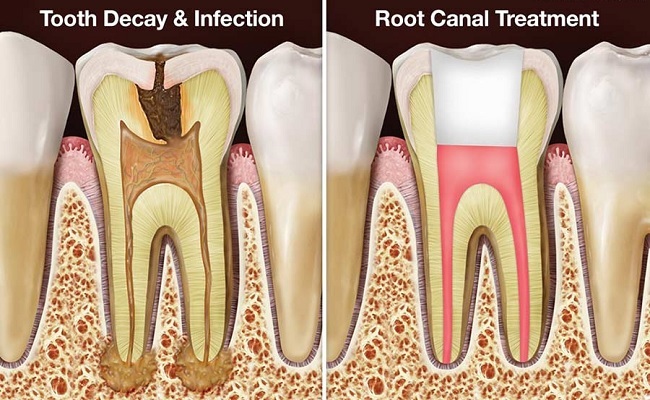
After numbing the area, a small hole is made in the tooth to access the pulp chamber and the root canals. The diseased tissue is removed, and the pulp chamber and the root canals are completely disinfected to the ends of the root. The teeth of the anterior part of the mouth have a single root and usually a single canal; the posterior teeth have two or three roots and usually three or four root canals. These root canals and the pulp chamber are filled with an inert biocompatible material and sealed with an adhesive cement. The access hole receives a temporary fill.

What happens next?
Your tooth is likely to be sensitive for a few days, but usually any discomfort can be relieved with over-the-counter pain relievers or anti-inflammatories, such as ibuprofen. You will be explained that you should avoid chewing with that tooth until you have a permanent filling, which can be done within a few days. Depending on how damaged the tooth originally was, you may or may not need a full crown. The dentist in Shalimar Bagh will discuss those options with you.

How can I avoid having to undergo root canal treatment in the future?
Brush and floss every day to keep your teeth without decay. Follow a healthy diet low in sugars and avoid acidic drinks, such as soda drinks. Attend your cleanings and periodic reviews. If you play sports, consider buying a custom-made mouthguard to protect your teeth against possible injuries, suggests the best dentist in Shalimar Bagh.

Tuesday, 24 September 2019

Endodontics or Extraction?

Endodontics-vs-Extraction

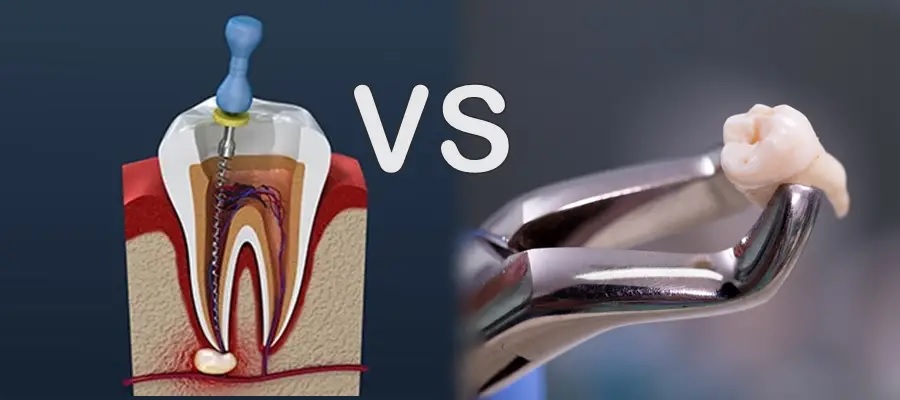
When there is a severely affected tooth, the question arises: endodontics or extraction? The decision is difficult if adequate information about the PRO and CONS of each of these alternatives is not provided. In this article we provide you with detailed information to help you in this delicate choice.

How to make the decision?
To decide the process to undergo must analyze various details and factors that will influence the corresponding prognosis of the treatment to choose.

Tooth extractions
Several years ago, we decided to extract the teeth when they caused problems, or when they were damaged. However, thanks to innovations in dental matters, endodontics has been developed as an alternative to maintain natural teeth for as long as possible, explains best dentist in Pitampura.

3 reasons to extract teeth
  1. Great dental destruction with pulp compromise: When a tooth has lost much of its structure, the chances of recovery are low.
  2. Dental mobility due to loss of bone support. Periodontitis is characterized by severe reabsorption or decreased support bone; Therefore, the only alternative is extraction.
  3. Dental infection and lack of budget for another treatment: An endodontic treatment that fails and especially persistent infection could complicate health.

Endodontics
Endodontics also called Root Canal is a treatment in which the dental pulp is removed. The pulp cavity is empty and filled with aseptic and compatible material in order to avoid infection or re-infection.

During the following weeks the endodontist should follow up and control the intervention, in order to verify if it has been successful.

  1. Deep caries and acute pain : The problem with poorly sealed or cured teeth is that it is NOT possible to remove all decay and they progress silently and fatally.
  2. Traumas or violent blows. They are usually associated with fracture of part of the crown and the color change of the affected tooth. The specialist's assessment is vital to determine if the entire treatment will be worthwhile.
  3. Presence of fistulas or active infection. It is important at this point to evaluate the degree of dental commitment.

So: Endodontics or extraction?
To make the right decision, keep in mind three considerations:

1️. Diagnosis:
It all depends on a correct diagnosis to determine the severity of the problem. If the tooth has severe trauma that involves more than half of the dental structure, extraction is preferable.

If there is already a previous endodontics and the infection persists, the chances of recovering the dental organ is minimal.

The successful professional evaluation will give us a favorable, reserved or unfavorable prognosis of the case.

2️. Budget
An extraction will simply entail a single expense, while endodontics in many cases requires an additional prosthesis, including a dental bolt to reinforce the dental structure; Consequently the budget is considerable.

Many people leave this process halfway and the tooth ends up becoming contaminated, which causes its inevitable extraction.

Feel free to inform your dentist in Pitampura about the total cost of dental rehabilitation and be honest with yourself if you can afford that budget. If the prognosis is encouraging, make an effort to keep a healthy tooth.

3️. Other alternatives
If you opt for extraction or endodontics fails you can opt for dental implant in Pitampura. This option is excellent when especially in the posterior sector and when implant placement is done as soon as possible to tooth loss.

Monday, 9 September 2019

Endodontic surgery: Save your teeth!

Endodontic-Surgery

The endodontic surgery can remove the pulp tissue of a badly damaged by various causes, such as tooth decay advanced. In this way we restore a tooth that, otherwise, should be extracted.

But what exactly is endodontic surgery? Discover the treatment that saves your natural teeth.

This procedure is also known as root canal treatment in Shalimar Bagh. It is a treatment, once the pulp of the tooth is removed, we proceed to the sealing of the root canal, to prevent the passage of bacteria to the bone.

It is primarily about removing damaged periapical tissue, so that infected pulp tissue is removed from the root.

Thus, thanks to the best dentist in Pitampura, we not only save a very damaged tooth, but also regenerate the tissues and improve the patient's well-being and oral health. But when do I need a surgical endodontics?

In which cases is an endodontic surgery necessary?

In which cases is root canal treatment in Pitampura necessary? These are the most common:
  • Advanced tooth decay. Tooth decay is an infectious process that, if not detected in time, destroys the supports of the tooth. When tooth decay is very advanced it infects the pulp, the innermost part of the tooth. At this point a root canal is necessary to avoid losing the affected tooth.
  • Oral trauma. Some injuries can leave fractures and other problems in the tooth that require endodontic surgery.
  • Wear and severe dental abrasion. Generally caused by other oral diseases, such as bruxism. The habit of grinding and grinding your teeth continuously can cause severe wear.
  • The inflammation of the pulp, the innermost part of the tooth, is related to several factors such as advanced tooth decay.

Guidelines after endodontic surgery

Here are some tips to follow after undergoing single sitting RCT in Shalimar Bagh:
  • Adapt oral brushing. It is essential to maintain a little aggressive brushing technique, as well as using a soft filament brush.
  • Rinse mouth. Dentist in Pitampura advises to always use a non-alcoholic rinse and even mixtures of water and salt. In fact, the use of oral antiseptics is recommended to reduce the bacterial load in the operated area.
  • Use of anti-inflammatories. After surgery, the dentist in Shalimar Bagh recommends a medication regimen that should be followed along with the postoperative instructions.
  • Visit our dentist. If the discomfort persists after several days of the intervention, it is best to go to our trusted dentist.

But is there pain after endodontic surgery? It is a question that many of our patients ask themselves. The process itself is painless, although there are some effects that may appear after the intervention.

Thus, it is normal to feel inflammation and even mild tooth sensitivity after endodontics. However, these discomforts should disappear within a few days. Otherwise we advise you to see the best dentist in Shalimar Bagh immediately.

Endodontic surgery is always the last resort, although this does not mean that it is as aggressive a treatment as is believed. Although it is a surgical intervention, it achieves the preservation of a tooth that, otherwise, should be extracted.

So how is endodontic surgery performed? These are the basic steps:
  1. The first step is to establish the personalized diagnosis, since surgical intervention is always the last option. Our dentist in Pitampura will assess whether the tooth can be restored through more conservative treatments.
  2. Local anesthesia. In case of applying endodontic surgery, the operated area is anesthetized. For this intervention, local anesthesia is used, so that it only affects the treated tooth and the surrounding area.
  3. Remove damaged tissue. First a small opening is made in the crown of the tooth, in order to access the damaged pulp and proceed to its extraction. After proceeding to clean the damaged ducts, so that they are aseptic and clean.
  4. Finally we seal the root canal that has been cleaned, to prevent the passage of bacteria and germs. The sealing is done with a biocompatible material that does not compromise the oral health of the patient. In this way, the intervened tooth is completely numb and the patient will stop feeling pain.
  5. During the first days after the intervention it is very important to follow the dentist's instructions and adapt our daily oral care.

In the dental clinic in Shalimar Bagh, we apply minimally invasive techniques and apply them to the needs of your smile.

Conservative treatments are focused on preserving your oral health and also your well-being.

The most important thing to avoid having to perform these procedures is to detect dental problems in time and for this we recommend going to the best dentist in Pitampura at least once a year.

Tuesday, 26 February 2019

Gingival Recession: Causes, Symptoms & Treatment

Gingival Recession
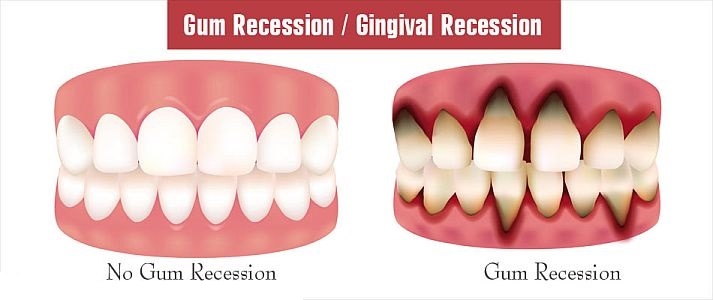
According to the Dentist in Pitampura, Gingival recession is a disease that manifests itself through the reduction of the gums and the gradual change of the direction of the root of the tooth. It is a serious aesthetic problem, as the teeth protrude more than normal and the gums are reduced, exposing the root of the teeth.

In this sense, this disorder is common in people of all ages. However, people over 40 are more likely.

What are the causes of the recession of the gums?

According to the Best Dentist in Pitampura, the most common causes of gingival recession are:
  • Incorrect oral hygiene, such as using a toothbrush with hard bristles or brushing the teeth exerting too much pressure on the gum and damaging it causing bleeding.
  • The presence of gingivitis that is not treated properly or has evolved to periodontitis. In this sense, the gingival recession associated with these diseases usually leads to redness and bleeding of the gums. If you want to know more about these diseases, check out this video about periodontitis.
  • The significant lack of vitamin C, so you should try to maintain a balanced diet.
  • The incorrect position of the teeth can have negative consequences on the gum tissue and cause a greater predisposition to the disease.
  • Suffering disorders such as bruxism or bulimia, can also cause gingival recession.
What are the symptoms of gingival recession?

The recession does not have a sudden appearance, it is a progressive phenomenon that extends over time. However, it is usually preceded by inflammation and bleeding of the gums. In addition, problems related to gingival tissue are accompanied by other oral problems such as halitosis and dental hypersensitivity, says Orthodontist in Pitampura.

How to avoid the recession of the gums?

Proper oral hygiene is essential to prevent any oral health problems. We recommend brushing your teeth at least three times a day, mainly after each meal, using a soft bristle brush and toothpaste recommended by Best Dentist in Shalimar Bagh.

Likewise, flossing daily also helps as it eliminates the remains of food that remain between the teeth. Finally, do not forget to use a fluoride mouthwash to prevent bacterial plaque.

How can recession of the gums be treated?

If we detect the first signs, such as bleeding, inflammation or redness, you must go to the Dentist in Shalimar Bagh imminently for an exploration and diagnosis. The early detection of periodontal disease will help us to prevent the progression of the disease.

The most effective solution to restore the natural shape of the gum is the transplant of the gum itself to the areas that suffered retraction, a concrete and effective treatment at the dental clinic in Shalimar Bagh that allows to recreate the lost tissue and blocks future recessions.

In more serious cases, it can result in the loss of one or more teeth. If this is your case, implantology is undoubtedly the best solution since you will recover the functionality and aesthetics of the piece or pieces lost.

Wednesday, 30 January 2019

Reasons for a root canal treatment

Related image

Why do Root Canal Treatment in Pitampura if there are other sophisticated options such as implants and bridges? Are there arguments that speak in favour of him?

Of course, definitely!

According to Best Dentist in Pitampura, Endodontics is a treatment to extract the pulp (nerve) of the tooth and thus prevent its extraction. It is applied to fractured dental pieces, with deep and damaged caries in the pulp tissue (nerve) in which there is an irreversible lesion.

Your natural tooth is much more valuable than a dental substitute, because it is not a foreign body in your mouth. Root canal treatment is the ideal pain-free method to preserve the patient's original tooth. Here is the best argument to justify a root canal treatment. The tooth lives even when the dental pulp is dead. The tooth receives a conduit through the skin of the root and is recognized as an integral part of the organism. Therefore, it is worth investing in the preservation of the tooth and not in its replacement.

THE CANAL TREATMENT ALMOST ALWAYS ALLOWS THE PRESERVATION OF THE ORIGINAL TOOTH

A damaged tooth can almost always be saved through a root canal treatment by Orthodontist in Pitampura. The possibilities of saving a tooth through endodontics have increased a lot in the last 10 years.

Procedure 
The affected tooth is pierced and the pulp is removed. The pulp chamber and the root canal are then cleaned, enlarged and moulded, and then refilled. The dental piece is restored with amalgam or composite or it is covered with a crown if necessary.

Endodontics is a complicated treatment because it is sequential, there is no direct vision for the operator and it is irreversible.

Why do you have to take out the nerve? For cavities, generally. In addition, when the infection progresses to the pulp it is painful and an abscess form.

Why is it common to fracture the teeth with root canal treatment? Since they are more fragile. A reinforcing seal or an artificial crown is better if a large part of the crown has been lost.

However, it is worth mentioning that root canal treatment has its limitations: when a tooth is badly treated, dental substitutes or Dental Implant in Shalimar Bagh are the best solution. As for which solution is the most convenient for you, we decided together once and have a thorough conversation with you.

DUCT TREATMENT OR TOOTH EXTRACTION

When a tooth is removed (which is the most viable option for root canal treatment) by Dentist in Pitampura, the tooth is removed along with its root of the maxillary bone. The gap that remains is filled with either a bridge or an implant: This is a surgical intervention with its risks and consequences.

The Dental Implant in Pitampura is surely the method of selection, because the adjacent teeth bothered us. But, keep in mind that the imposition of an implant implies another surgical intervention where an artificial construction of ceramic or titanium on the dental bed is adjusted.

The imposition of a bridge does not require any surgical intervention but pillar teeth are needed to which it is fixed. In case you have pillared teeth, you could not demand to bridges of adhesions. If one of the teeth is no longer malleable (due to cavities, also in the past), only a conventional bridge construction can be applied. That means that these two teeth must be sanded to serve as an anchor, which would imply that they would be damaged.

Friday, 28 July 2017

Be Pain Free From Root Canal Treatment in Pitampura


Dr Kamal Dev is the best dentist in Shalimar Bagh, Pitampura. He is specialized in root canal treatment and single sitting root canal treatment.

A root canal is a trespassing dental procedure designed to cure an infection that has taken place at the center of the tooth. Specializing in recuperative dentistry, we provide Root Canal Treatment in Pitampura, Shalimar Bagh that involves the removing the roots, cleaning, shaping, and decontaminating the hollows with tiny files and watering solutions, and filling the decontaminated canals with a dormant filler such as gutta percha.

http://www.moderndentalcentre.co.in/


What Is A Root Canal?
A root canal is also known endodontic and required when the blood or nerve supply of the tooth which is also known as the pulp, is infected by decay or injury. Symptoms that you may require a Root Canal Treatment in Shalimar Bagh include your tooth turned into a dark color or sharp shooting pain in your tooth. The pain usually comes on suddenly and tormenting as described by patients. You may not feel any pain in the betimes stages of the infection.

Why Do you Need A Root Canal?
If the nerve supply of the tooth becomes infected, the infection may disseminate through the root canal system of the tooth which may sooner or later lead to an abscess, or swelling of tissue that will collect puss. The infection may also disseminate to the rest of your body through your blood stream causing a fever and stomach ache. If Root Canal Treatment in Pitampura, Shalimar Bagh is not carried out, the infection will disseminate and the tooth may need to be taken out.

What Happens During A Root Canal?
The dentist will polish off all of the infected areas of the root canal and then fill the root canal to preclude any further infection. Reckoning on the depth of the infection and size of the infected root canal, the length of the procedure will variegate.

How Painful Is A Root Canal?
Generally, a local anesthesia is used and it feels no pain while having an ordinary filling done. More than likely you will undergo through some soreness after the procedure which is caused by the drilling of your tooth and having your mouth opened for an extended amount of time during the procedure as well.